
Introduction: Why Joint Pain in 30s is Becoming Common
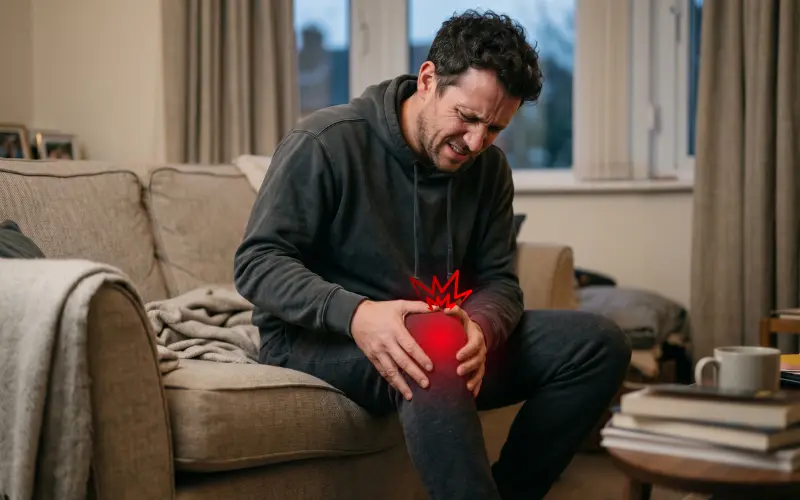
Earlier, joint pain was considered a problem of old age. But today, many people in their 30s are experiencing knee pain, back pain, and stiffness in joints. Joint Pain in 30s is rapidly increasing due to modern lifestyle habits, lack of physical activity, and poor posture.
If ignored, this early discomfort can lead to long-term orthopedic problems.
What is Joint Pain in 30s?
Joint Pain refers to discomfort, stiffness, or reduced mobility in joints like knees, shoulders, and spine at a relatively young age.
Common Symptoms Include:
- Pain while climbing stairs
- Stiffness after sitting for long hours
- Clicking sounds in joints
- Reduced flexibility
Top Causes of Joint Pain in 30s
Understanding the Causes of Joint Pain is the first step toward prevention.

1. Sedentary Lifestyle
Long hours of sitting, especially with work-from-home culture, weaken muscles and put stress on joints.

2. Poor Posture
Incorrect sitting posture while using laptops and mobile phones leads to spine and neck issues.

3. Lack of Exercise
Without regular movement, joints become stiff and muscles lose strength.

4. Obesity & Weight Gain
Extra body weight puts excessive pressure on knee joints, leading to early wear and tear.

5. Vitamin D & Calcium Deficiency
Weak bones and joint pain are common due to nutritional deficiencies.

6. Stress & Poor Sleep
Chronic stress and lack of sleep can worsen inflammation and pain perception.
Why You Should Not Ignore Joint Pain in 30s
Ignoring Joint Pain can lead to:
- Early arthritis
- Chronic back or knee pain
- Reduced mobility
- Need for advanced treatment later
Early care can prevent serious complications.

Effective Prevention Tips for Joint Pain in 30s
1. Stay Physically Active
Engage in regular walking, stretching, or light workouts.
2. Maintain Correct Posture
Keep your spine straight while sitting and avoid slouching.
3. Strengthen Muscles
Focus on exercises that support joints, especially core and leg muscles.
4. Maintain Healthy Weight
Reducing excess weight decreases pressure on joints.
5. Improve Nutrition
Include calcium and vitamin D-rich foods in your diet.
6. Take Breaks from Screens
Avoid continuous sitting—take short breaks every 30–40 minutes.
7. Wear Proper Footwear
Avoid flat slippers for long durations; use supportive footwear.

When Should You See a Doctor?
Consult an expert if you experience:
- Persistent pain for more than a few days
- Difficulty in movement
- Swelling or stiffness
- Pain affecting daily activities
For Expert Care, Consult
Dr. Abhishek Chaturvedi, an experienced Orthopedic Doctor in Mira Road, specializing in treating joint, spine, and sports-related conditions.
Conclusion
Joint Pain in 30s is no longer uncommon, but the good news is—it is preventable. By understanding the Causes of Joint Pain and making simple lifestyle changes, you can protect your joints and stay active for years to come.
Don’t ignore early signs. Early care today can prevent major problems tomorrow.